



Let our team help you select the right product
Talk to our experts and we can help you meet all your product requirements from the beginning. Let us help you with your next project.

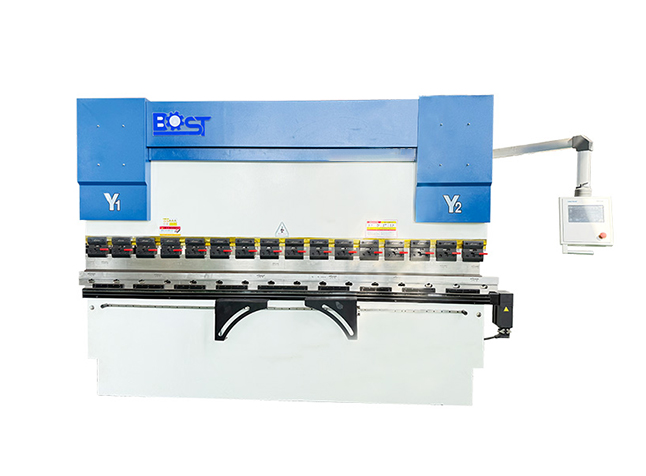
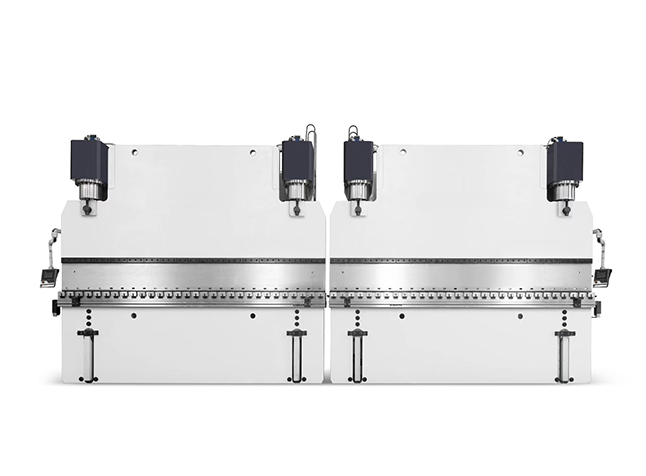
An Energy Saving Press Brake is a CNC bending machine built with an efficient drive system, such as servo electric drive, hybrid servo hydraulic drive or optimized hydraulic control. Its main purpose is to reduce unnecessary power consumption during bending, standby and repeated production cycles.
Traditional hydraulic press brakes often rely on hydraulic pumps and oil systems, while servo electric and hybrid servo systems can reduce energy loss by supplying power more closely according to actual machine demand. Electric press brakes are often described as using power mainly during active bending or movement, which helps reduce idle energy consumption.
An Energy Saving CNC Press Brake reduces power consumption by improving how energy is delivered during the bending process. Instead of keeping the hydraulic system running continuously, servo electric or hybrid systems can provide power more efficiently during active motion and reduce energy use during idle time.
Energy saving performance is not only related to the motor. It also depends on the CNC controller, drive system, hydraulic design, back gauge efficiency, production cycle, standby time and operator workflow. In some hydraulic applications, replacing traditional hydraulic technology with servo-hydraulic technology can significantly reduce energy use per cycle, depending on the application.
The Energy Saving Press Brake Machine is designed to reduce unnecessary power use during bending and standby. This helps factories lower electricity costs, especially when the machine runs for long shifts or repeated batch production.
The machine can use servo electric drive, hybrid servo hydraulic drive or optimized hydraulic control. Servo electric systems are often suitable for thin sheet and high-frequency bending, while hybrid hydraulic systems are more suitable for buyers who need both energy savings and hydraulic bending capacity.
A major advantage of an energy saving press brake is reduced idle energy consumption. For workshops where the machine has waiting time between bending operations, this can help lower total daily energy use.
Servo electric press brakes can reduce hydraulic oil maintenance because they do not rely on a traditional hydraulic oil system in the same way as hydraulic machines. This may help reduce oil changes, leakage risks and maintenance downtime.
Energy saving does not mean sacrificing accuracy. With CNC control, servo response, accurate back gauge positioning and optional crowning compensation, the machine can maintain stable bending quality during repeated production.
Compared with traditional hydraulic systems, servo electric and optimized energy-saving systems can support a cleaner workshop environment, lower oil contamination risk and quieter operation. This is useful for factories that care about working environment, environmental standards and long-term equipment management.
| Comparison Item | Servo Electric Press Brake | Hybrid Servo Hydraulic Press Brake |
|---|---|---|
| Main Advantage | Low energy use, clean operation, low maintenance | Energy saving with hydraulic bending force |
| Drive System | Servo motor with mechanical drive system | Servo motor + hydraulic system |
| Hydraulic Oil | No traditional hydraulic oil system for main bending drive | Still uses hydraulic oil |
| Best For | Thin sheet, small parts, high-frequency bending | Medium and heavy-duty sheet metal bending |
| Energy Saving Logic | Power is used according to active motion demand | Servo pump reduces unnecessary hydraulic energy loss |
| Maintenance | Lower hydraulic maintenance | Lower than traditional hydraulic, but still needs oil system care |
| Investment Value | Good for clean, efficient, high-frequency production | Good for factories upgrading from traditional hydraulic machines |
If your factory mainly bends thin sheets, small parts or high-frequency production orders, a servo electric energy saving press brake may be a good choice. If your production requires larger tonnage, thicker materials or more traditional hydraulic bending capacity, a hybrid servo hydraulic press brake may provide a better balance between energy saving and bending force.
An Energy Saving Press Brake is suitable for sheet metal manufacturers that want to reduce operating cost while maintaining accurate bending performance.
Common applications include:
Electrical cabinet and control box manufacturing
Metal enclosure fabrication
Stainless steel panel bending
HVAC duct and ventilation parts
Elevator panel manufacturing
Kitchen equipment and stainless steel products
Machinery cover and equipment guard production
Automotive brackets and light structural parts
Metal furniture components
Precision sheet metal fabrication
Batch production of thin and medium sheet metal parts
Factories with long daily machine running hours
For manufacturers with high electricity costs or long production shifts, an Energy Saving CNC Press Brake can help improve long-term cost control and production sustainability.
| Comparison Item | Traditional Hydraulic Press Brake | Energy Saving Press Brake |
|---|---|---|
| Main Focus | General bending capacity | Lower energy use and operating cost |
| Power Use | Hydraulic system may consume power during idle operation | Servo or hybrid system reduces unnecessary energy use |
| Maintenance | Requires hydraulic oil and system maintenance | Lower oil maintenance, especially for electric models |
| Workshop Environment | Possible oil leakage and higher noise | Cleaner and quieter operation |
| Best For | General and heavy-duty bending | Cost-conscious and efficiency-focused production |
| Long-Term Cost | Higher electricity and maintenance cost | Better for reducing operating expenses |
| Typical Users | General metal fabrication workshops | Factories focused on ROI, energy saving and cleaner production |
An Energy Saving Press Brake is recommended when electricity cost, maintenance cost, idle time and long-term ROI are important factors. A traditional hydraulic press brake may still be suitable for heavy-duty bending, but an energy-saving model provides better value for factories that need efficient daily production.
When selecting an Energy Saving Press Brake Machine, buyers should not only compare the purchase price. They should evaluate the total operating cost, including electricity use, maintenance, production volume, material type and machine utilization rate.
Important selection factors include:
Required bending force and machine tonnage
Working length of the press brake
Sheet thickness and material strength
Daily machine running hours
Standby time between bending cycles
Servo electric, hybrid hydraulic or optimized hydraulic drive type
CNC controller and programming efficiency
Back gauge speed and positioning accuracy
Crowning system and bending accuracy requirement
Tooling type and die opening
Maintenance cost and oil system requirements
Workshop noise and environmental requirements
Long-term electricity cost and ROI
If the machine runs many hours per day, energy savings can become a stronger purchasing factor. If your production includes thick plates and heavy-duty bending, a hybrid servo hydraulic press brake may be more suitable than a pure electric model.
We provide Energy Saving Press Brake solutions for manufacturers that need accurate bending, lower power consumption and reduced long-term operating costs. Our machines can be customized according to bending force, working length, drive system, CNC controller, back gauge configuration, tooling and production requirements.
Whether you need a servo electric press brake for clean and efficient thin sheet bending, or a hybrid servo hydraulic press brake for stronger bending capacity with improved energy efficiency, we can recommend the right solution based on your material thickness, bending length, production volume and cost-saving goals.
Our energy saving press brake machines are designed to help customers reduce electricity consumption, lower maintenance workload, improve bending repeatability and achieve more sustainable sheet metal production.
Relatedkeywords
Large Press Brake MachineAutomotive Exhaust Pipe BenderHigh Precision Press Brake40 Ton Press BrakeTandem Press Brake800 Ton Press Brake4 Axis Cnc Press Brake3 Axis Press Brake300 Ton Press Brake400 Ton Press BrakeCompact Press BrakeEnergy Saving Press Brake63 Ton Press Brake6 Axis Press Brake160 Ton Press BrakeHigh Speed Press BrakeAutomatic Press BrakeHigh Tonnage Press BrakeMulti Axis Press BrakeSmall Press Brake MachineMini Cnc Press Brake200 Ton Press Brake8 Axis Press BrakeHeavy Duty Press Brake600 Ton Press Brake100 Ton Press BrakeLet our team help you select the right product
Talk to our experts and we can help you meet all your product requirements from the beginning. Let us help you with your next project.
