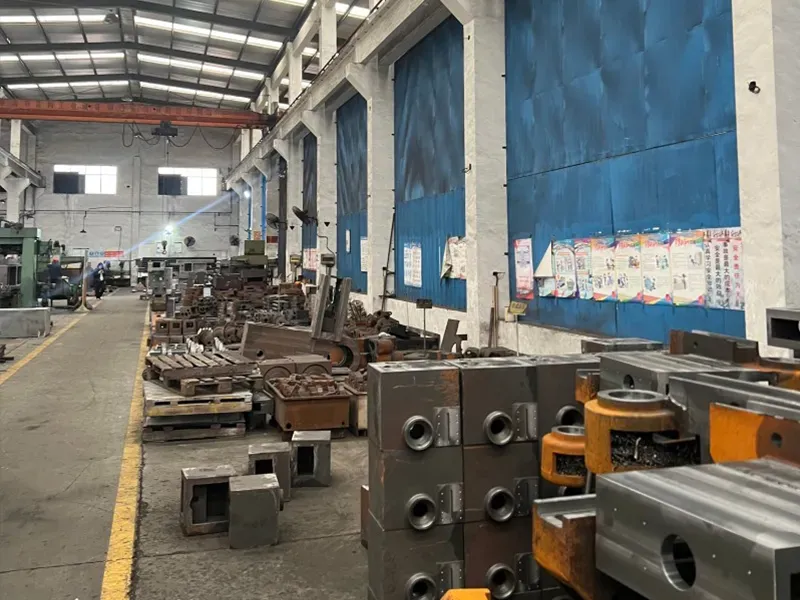
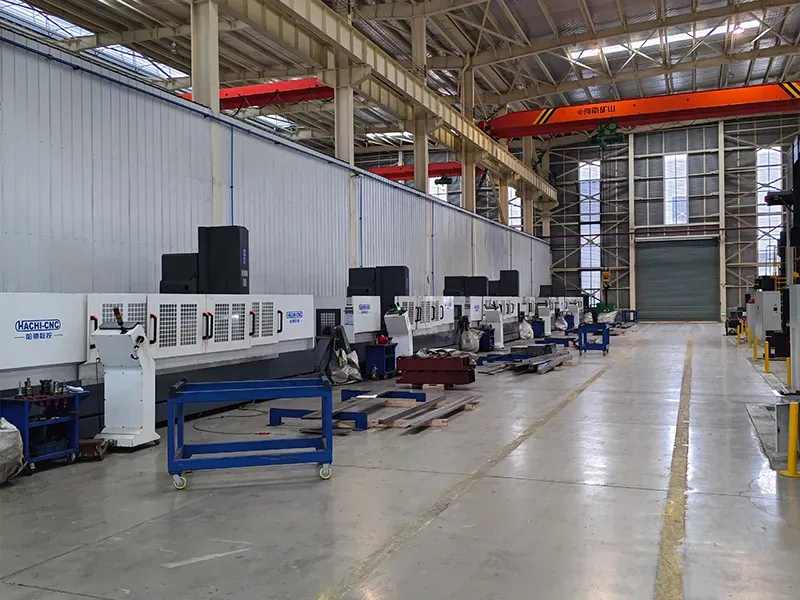
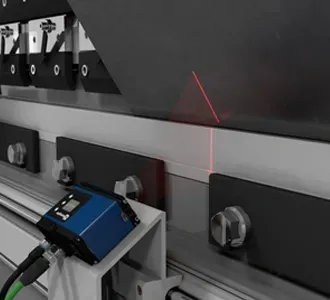
In recent years, the manufacturing industry has witnessed a significant transformation with the emergence of advanced technologies. Among them, the CNC Laser Cutting Machine stands out due to its unparalleled precision and efficiency. This technology has fundamentally changed the way materials are processed, addressing common pain points in traditional cutting methods, such as lower accuracy and longer processing times. With the increasing demand for high-quality cuts and rapid turnaround in production environments, understanding the advantages and applications of CNC Laser Cutting Machines is crucial for businesses aiming to stay competitive. This article will explore the various aspects of CNC laser cutting, reveal which technology is superior between CNC laser and CO2 laser, and answer essential questions for potential users.
Definition of CNC Laser Cutting Machine
A CNC Laser Cutting Machine is a computer-controlled cutting device that employs a laser beam to cut materials with remarkable accuracy. The term "CNC" stands for Computer Numerical Control, indicating that the operation is directed by a computer for precise movements. The key industry terminology includes:
Laser Beam: The focused light emitted by the machine that enables cutting.
Material Thickness: Refers to the measurement of material used, influencing the type of laser technology best suited for the task.
Cutting Speed: The rate at which the laser cuts through the material, measured in millimeters per minute (mm/min).
According to a report by Global Industry Analysts Inc., the global laser cutting market is expected to grow to $5.3 billion by 2026, suggesting a tremendous increase driven by advancements like CNC technology.
Application Scenarios of CNC Laser Cutting Machine
CNC Laser Cutting Machines find applications across various industries owing to their versatility. Here are some of the critical fields:
Metal fabrication: Utilized extensively in the automotive and aerospace industries for cutting steel, aluminum, and alloys.
Textile industry: Employed for intricate fabric cutting, ensuring seamless patterns without fraying edges.
Signage: Used to create customized and intricate designs in acrylic, wood, and metal for advertising and branding.
Electronics: Ideal for cutting circuit boards and other electronic components with precision.
Such diverse applications highlight the CNC Laser Cutting Machine's ability to boost productivity and reduce waste, making it indispensable in modern manufacturing environments.
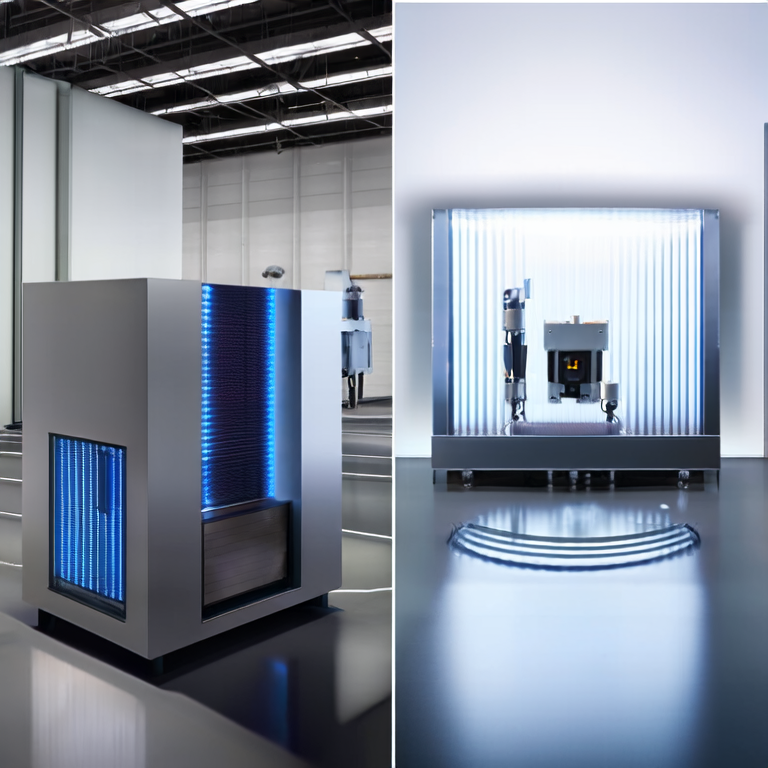
Brief Description of Advantages
The advantages of the CNC Laser Cutting Machine are numerous, elevating it above traditional cutting methods. Here are the key benefits quantified:
Increased Precision: A CNC laser cutting machine can achieve cutting accuracy as high as ±0.01 mm, catering to industries that require meticulous details.
Lower Material Waste: The precision of the laser minimizes kerf (the width of material removed), leading to up to 25% less material waste compared to conventional methods.
Enhanced Speed: The typical cutting speed for laser machines can exceed 500 mm/min, significantly reducing production times and boosting overall efficiency.
Versatility: Various materials can be processed, including metals, plastics, and textiles, enabling manufacturers to diversify their product offerings without investing in multiple machines.
The CNC Laser Cutting Machine's combination of precision, speed, and reduced waste solidifies its importance in manufacturing processes across various sectors.
Next Steps Guidance
For companies interested in exploring the capabilities of CNC Laser Cutting Machines, it is advisable to consult user manuals and guides provided by manufacturers. Such documentation offers insights into machine operation, maintenance, and safety protocols. For a deeper understanding of laser technology and its applications, consider visiting the BOST (Best of State Technology) website, where you can find comprehensive resources and trial options to assist in your investment decision.
FAQ
1. What is the difference between CNC laser and CO2 laser cutting? CNC lasers typically use solid-state lasers, offering higher efficiency and speed, while CO2 lasers are mainly utilized for non-metal materials. Businesses often choose CNC lasers for metallic applications due to their precision.
2. What materials can be processed using CNC laser cutting? Common materials include metals like steel and aluminum, acrylic, wood, and textiles.
3. What are the safety measures for operating a CNC Laser Cutting Machine? It's crucial to wear appropriate protective gear, including safety goggles, and ensure proper ventilation in the workspace to mitigate fumes produced during cutting.
4. How do I choose the right laser cutting machine for my needs? Consider the material types and thicknesses you will be working with, the required cutting accuracy, and production volume. Manufacturer guides and expert consultations can provide further assistance.
By closely examining the capabilities and applications of CNC Laser Cutting Machines, industries can identify solutions tailored to their specific operational challenges while harnessing technology to increase efficiency and productivity. To learn more and try a leading brand like BOST, engage with available resources to begin your journey in precision manufacturing.