
Let our team help you select the right product
Talk to our experts and we can help you meet all your product requirements from the beginning. Let us help you with your next project.

Aug 07, 2026
When buyers search for Hydraulic vs Electric Press Brake: Key Differences Explained, they usually want more than a simple definition. They want a practical buying guide that compares performance, cost, precision, energy use, maintenance, and real production suitability. This article is built around the questions most often raised by metal fabrication managers, shop owners, and procurement teams looking for a China Press Brake solution from brands such as BOST.
Most searchers are trying to decide which machine fits their production needs before requesting a quotation. They want to know how each press brake type behaves in real use, not only in brochures. The main concerns usually include bending accuracy, long-term stability, operating cost, and whether the machine can handle current and future workpiece demands.
A hydraulic press brake uses hydraulic cylinders and oil pressure to drive the ram. It is widely used because it is mature, powerful, and suitable for heavy-duty bending. An electric press brake uses servo motors and ball screw or similar drive systems to move the ram directly. It is known for higher energy efficiency, faster response, and lower maintenance in many light and medium-duty applications.
| Item | Hydraulic Press Brake | Electric Press Brake |
|---|---|---|
| Drive system | Hydraulic cylinders and oil circuit | Servo motor and direct electric transmission |
| Bending force | Strong, suitable for heavy plates | Generally better for light to medium loads |
| Accuracy | Good, depends on control and maintenance | Very high, strong repeatability |
| Energy consumption | Higher, especially during idle operation | Lower, more efficient in many scenarios |
| Noise level | Higher due to hydraulic pump and oil flow | Lower, quieter operation |
| Maintenance | Oil, seals, filters, leakage checks required | Less hydraulic maintenance, but higher dependence on control components |
| Initial investment | Usually lower for comparable tonnage | Often higher at purchase stage |
| Best suited for | Heavy fabrication, diverse jobs, thick materials | High precision, high efficiency, thin to medium sheets |
If your factory handles thick plates, large parts, or variable job orders, hydraulic is often the safer choice. If your priority is energy saving, precision, and faster cycle efficiency for repeat jobs, electric can be the better option. Many China Press Brake buyers compare these two categories because the right machine directly affects productivity, labor cost, and part consistency.
The actual purchasing group is usually worried about production failure, downtime, budget pressure, and poor return on investment. The press brake is a core machine, so a wrong choice can create long-term losses. That is why buyers search for real-world differences, user experience, and whether the supplier can support stable delivery and service.
Many buyers are afraid of hidden costs. For hydraulic machines, common concerns include oil contamination, seal aging, and energy waste during long idle periods. For electric machines, common concerns include limited overload tolerance, higher upfront cost, and uncertainty about servicing in some local markets. Buyers want clear answers before they commit.
Precision is one of the biggest reasons buyers compare hydraulic and electric press brakes. Electric models usually offer excellent repeatability because the servo drive responds quickly and consistently. Hydraulic machines can also achieve high precision, especially with modern CNC controls, but long-term accuracy depends more on system condition and maintenance quality.
Electric press brakes are often faster in response and acceleration, which helps improve cycle efficiency for small to medium parts. Hydraulic machines can also be fast, but they are often better known for force and adaptability than pure response speed. In a high-mix job shop, the difference may be less important than reliability and versatility.
Hydraulic machines are generally strong and stable for heavy workloads, especially when thick materials or long bends are involved. However, they require careful monitoring of oil temperature and hydraulic condition. Electric machines tend to be very stable in controlled production environments, but their performance depends on the exact load range and intended application.
Many buyers first focus on purchase price, but long-term energy use often has a larger impact on total ownership cost. Hydraulic press brakes consume more energy because the pump system may keep working even when the machine is not fully loaded. Electric press brakes generally use power more efficiently because the servo system delivers energy more directly and only when needed.
Hydraulic machines require oil changes, seal inspections, filter replacements, and leakage checks. These tasks are manageable, but they add regular maintenance costs. Electric press brakes reduce many of these hydraulic-related expenses, but buyers still need to consider control system support, drive component service, and the quality of local technical support.
If your factory runs many hours per day and electricity cost matters, electric may offer a better long-term return. If your operations demand large force, broad material range, and flexibility, hydraulic may still deliver stronger overall value. Buyers of China Press Brake equipment often balance these factors with the support capability of a supplier like BOST.
Hydraulic machines are usually a better match for companies that process thicker plates, mixed product types, and variable batch sizes. They are also suitable where the operator needs strong force and flexible configuration. Many general fabrication plants prefer hydraulic solutions because they can cover a wide range of jobs with acceptable cost.
Electric models are often more attractive to factories focused on precision parts, thin sheet processing, repetitive bending, and lower operating cost. They are also a strong fit for companies that want a cleaner shop floor and lower noise. In some automated production environments, electric systems can better support streamlined workflows.
Buyers should be cautious when their actual workload does not match the machine type. Choosing electric only because it is more advanced can be a mistake if the shop mainly bends thick plates. Choosing hydraulic only because it is cheaper can also be a mistake if the plant needs high precision and lower energy use. The right choice depends on real production data.
Specifications on paper are not enough. A buyer should ask for actual bending tests or sample videos, especially when deciding between hydraulic and electric. Real demonstration data helps verify whether the press brake can hold accuracy, maintain angle consistency, and work steadily under realistic production conditions.
Hydraulic is often the safer choice for customers who need high tonnage, wide material coverage, and flexible general-purpose production. It remains a reliable and proven solution for many China Press Brake buyers, especially when the production environment changes often.
Electric is a strong choice when your plant needs lower energy consumption, quieter operation, and precise repeatable bending. It is especially attractive for factories producing consistent parts with tight quality targets.
The best press brake is the one that matches your actual work, not the one with the most impressive label. Buyers should compare force, precision, operating cost, maintenance, and supplier support together. For many companies, BOST can provide practical China Press Brake solutions based on real workload needs rather than one-size-fits-all recommendations.
In the end, whether you choose hydraulic or electric, the right machine should support stable production, easy maintenance, and long-term value. If you are evaluating a China Press Brake project for your workshop or factory, a clear comparison with real application data will help you avoid costly mistakes. Learn more from BOST at //www.bostmachinery.com/data/watermark/main/20250612/684a9428e1b2a_.webp and choose the press brake that truly fits your production goals.
Related News
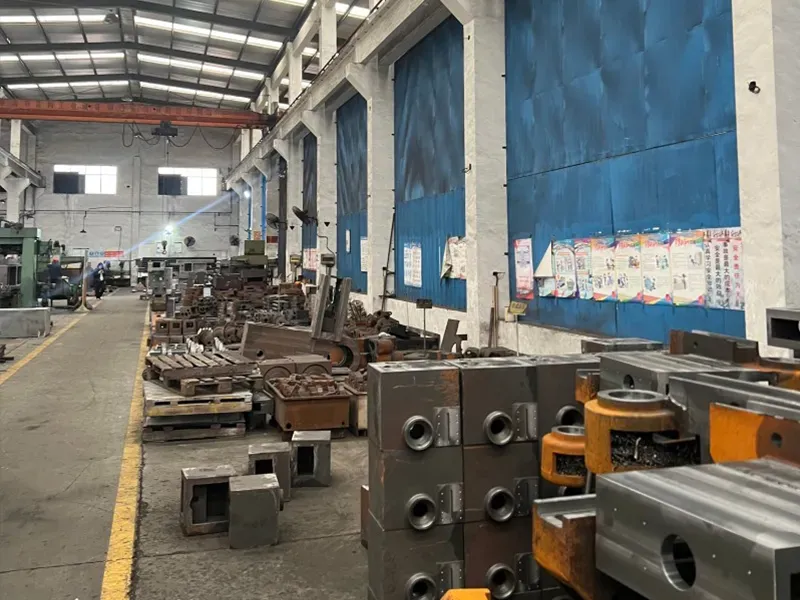
Hydraulic tubing bending standards and regulations
A Pipe Bending Machine helps factories make accurate bends in metal tubes and pipes without crushing the material. In many jobs, it is not enough to “just bend a pipe.” The bend angle, roundness, wall thickness, and repeatability all matter. That is why more buyers now search for a pipe bending machine for hydraulic tubing, a hydraulic pipe bending machine, or a pipe bending machine for steel
August 10, 2026
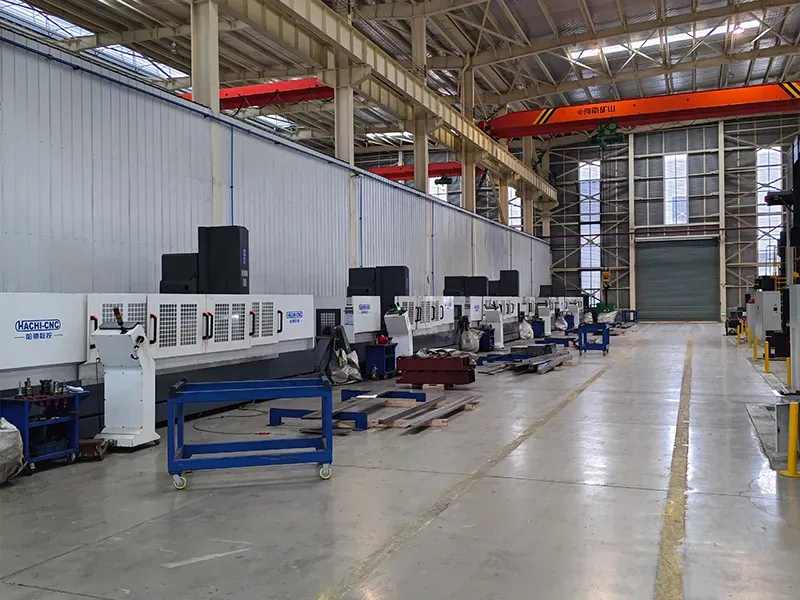
Hydraulic vs Electric Press Brake: Key Differences Explained
When buyers search for Hydraulic vs Electric Press Brake: Key Differences Explained, they usually want more than a simple definition. They want a practical buying guide that compares performance, cost, precision, energy use, maintenance, and real production suitability. This article is built around the questions most often raised by metal fabrication managers, shop owners, and procurement teams
August 07, 2026
How to bend hydraulic tubing without kinks
If you need to bend hydraulic tubing without kinks, the key is controlling bend radius, support, and material stress before the tube ever moves. In real shop work, most failures come from trying to “force” a tight bend by hand, using the wrong pipe bending machine, or ignoring wall thickness and minimum bend radius. This guide explains the full process, from choosing the right hydraulic tube
August 06, 2026
Let our team help you select the right product
Talk to our experts and we can help you meet all your product requirements from the beginning. Let us help you with your next project.
