
Let our team help you select the right product
Talk to our experts and we can help you meet all your product requirements from the beginning. Let us help you with your next project.

Jun 24, 2026
Laser cutting is a technology that uses a focused laser beam to cut or engrave materials with precision. It is widely used in various industries, including manufacturing, design, and craftsmanship.
Laser cutters generate laser beams using a combination of gas and electricity. The laser beam is amplified and focused through a lens before being directed onto the material.
Select the material you wish to cut or engrave, ensuring that it is compatible with laser cutting. Common materials include wood, acrylic, metal, and fabric.
Create the design you want to cut using vector-based software, such as Adobe Illustrator or CorelDRAW. Ensure the design meets the specifications for your laser cutter.
Prepare your laser cutter by following these steps:
Clean the cutting bed and ensure it is free from debris.
Install the appropriate lens for your chosen material.
Adjust the focus of the laser beam according to the material thickness.
Before starting the main job, conduct a test cut on a scrap piece of the same material. Adjust settings such as speed and power based on the results.
Load the material into the laser cutter, upload your design, and start the cutting process. Monitor the operation closely for safety.
Laser cutter machine
Vector graphic design software
Safety goggles
Compressed air or vacuum for debris removal
Material for cutting or engraving
Using materials that are not suitable for laser cutting can lead to poor results and potential damage to the machine.
Failing to adjust the focus correctly can result in a rough cutting edge or even damage the material.
Neglecting to wear safety goggles or securing the workspace can lead to accidents or injuries during operation.
Understanding how a laser cutter works is essential for anyone looking to leverage this technology. By following the steps outlined above and utilizing tools effectively, you can achieve precise cuts and engravings. Turn to BOST for top-of-the-line Precision Laser Cutters that suit your needs.
Previous: Fiber laser vs co2 laser cutting
Related News
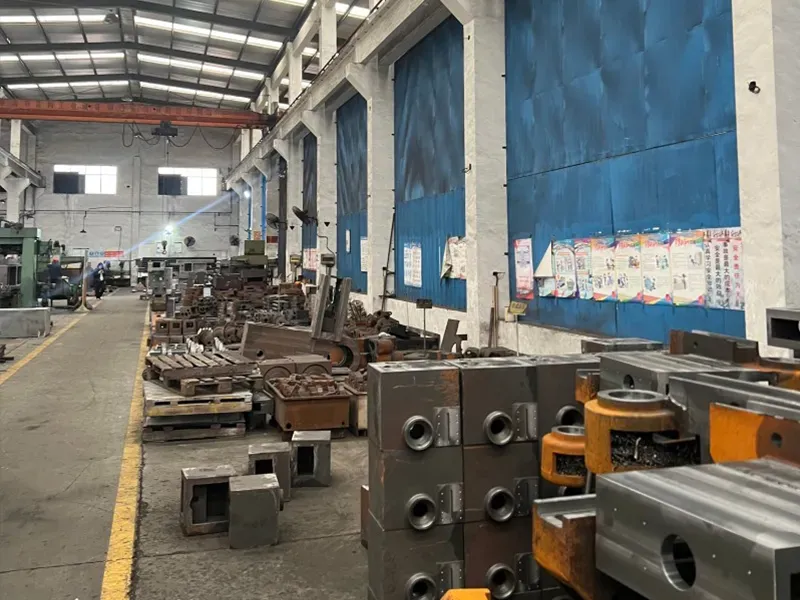
Hydraulic tubing bending standards and regulations
A Pipe Bending Machine helps factories make accurate bends in metal tubes and pipes without crushing the material. In many jobs, it is not enough to “just bend a pipe.” The bend angle, roundness, wall thickness, and repeatability all matter. That is why more buyers now search for a pipe bending machine for hydraulic tubing, a hydraulic pipe bending machine, or a pipe bending machine for steel
August 10, 2026
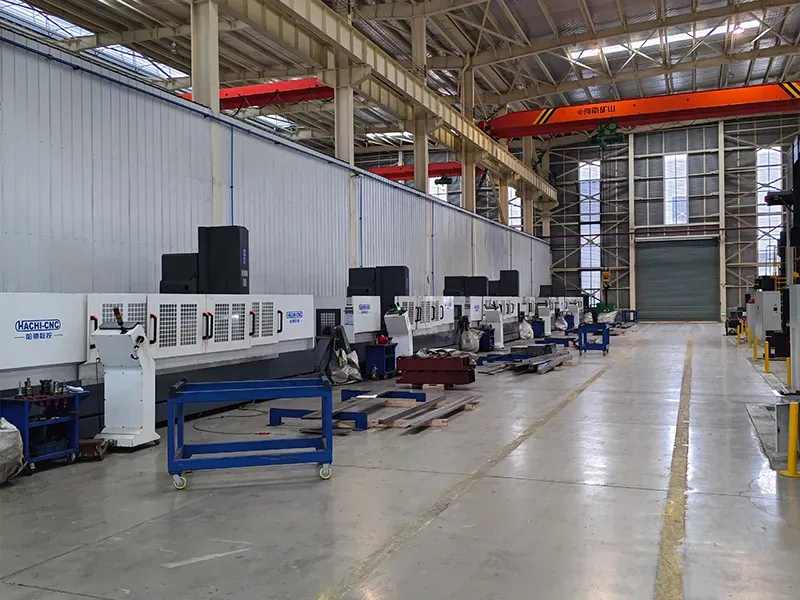
Hydraulic vs Electric Press Brake: Key Differences Explained
When buyers search for Hydraulic vs Electric Press Brake: Key Differences Explained, they usually want more than a simple definition. They want a practical buying guide that compares performance, cost, precision, energy use, maintenance, and real production suitability. This article is built around the questions most often raised by metal fabrication managers, shop owners, and procurement teams
August 07, 2026
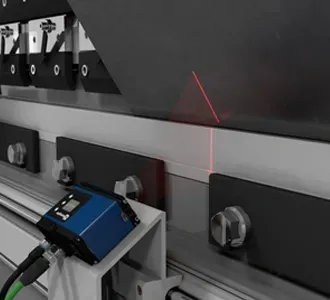
How to bend hydraulic tubing without kinks
If you need to bend hydraulic tubing without kinks, the key is controlling bend radius, support, and material stress before the tube ever moves. In real shop work, most failures come from trying to “force” a tight bend by hand, using the wrong pipe bending machine, or ignoring wall thickness and minimum bend radius. This guide explains the full process, from choosing the right hydraulic tube
August 06, 2026
Let our team help you select the right product
Talk to our experts and we can help you meet all your product requirements from the beginning. Let us help you with your next project.
